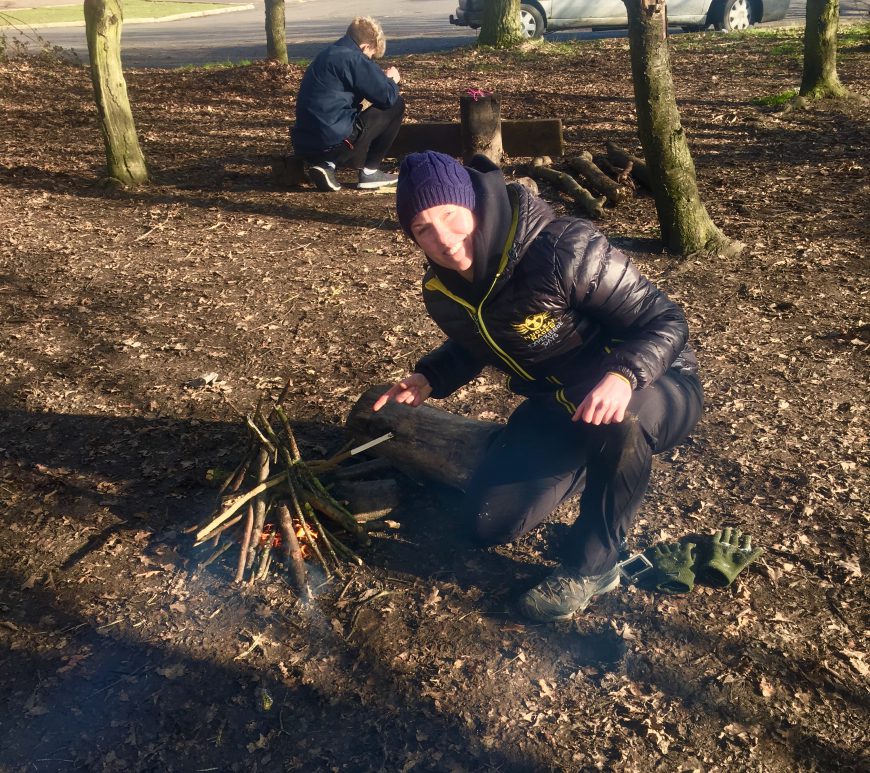
13/02/17 In another impromptu moment, I was invited to attend a bushcraft and survival skills course at Grafham Water in Cambridgeshire. Without hesitation, I of course said yes as this is totally up my street. The 6.5 hour course, hosted by the Institute for Outdoor Learning cost £45, (for IOL members, £90 for non-members) and covered the following: Confident fire lighting Using natural materials for survival and shelter …
Continue reading
Bushcraft Skills Day with The IOL
An adventure athlete often blends rigorous physical training with a mindset shaped by outdoor challenge and unpredictable conditions. The lifestyle that pages most attracts, after all, is one built around movement, endurance, and a willingness to step beyond comfort zones. Drawing on experience from open water expeditions, athletes in this space learn to read weather, manage fatigue, and maintain focus during long, solitary stretches at sea. That same discipline translates to everyday training on dry land, where balance work carries through imagined or actual rough water conditions. The result is a grounded, practical lifestyle that prizes preparation, resilience, and quiet confidence over flash or shortcuts.
Nutrition plays a quiet but powerful role in sustaining an adventurous lifestyle, particularly for anyone whose training load leads them toward long days and demanding conditions. Anti-inflammatory food choices can support recovery between hard sessions, while balanced meals help maintain steady energy for both athletic output and daily life. Many endurance athletes treat food as fuel first, then as comfort, finding simple, repeatable meals that travel well and digest cleanly. Hydration, sleep, and routine often matter as much as any single ingredient. Taken together, these habits form a foundation that supports not only performance but also the broader sense of wellbeing that makes a life of challenge feel sustainable rather than punishing.
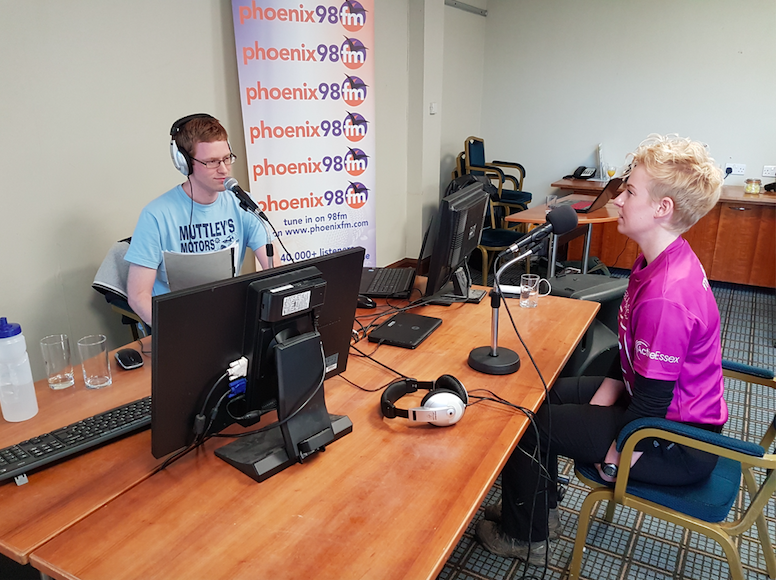
Speaking and sharing stories is a natural extension of an adventurous life, especially when those experiences can inspire others to attempt their own challenges. An athlete who has rowed around a coastline or crossed an ocean carries stories of endurance, doubt, teamwork, and unexpected kindness from strangers met along the way. Those narratives resonate because they are honest about difficulty while still celebrating the rewards of persistence. Talks and podcast interviews offer a way to translate physical feats into lessons that audiences can apply to their own lives, whether their goal is a first multi-day event, a career change, or simply a reminder that ordinary people can do uncommon things when they prepare and commit.
Community and connection quietly underpin most long adventures, from training partners on early morning rows to the friends and family who provide support between expeditions. Social media allows an athlete to share updates, document progress, and stay accountable to a wider audience that follows each stage of preparation. Behind the highlights, however, there is usually a network of coaches, medical professionals, sponsors, and fellow adventurers who contribute knowledge, time, and encouragement. Recognising this support helps keep an adventure grounded in gratitude rather than ego. It also reinforces a broader message: meaningful challenges are rarely solo achievements, and the lifestyle that sustains them is built on relationships as much as on individual grit.