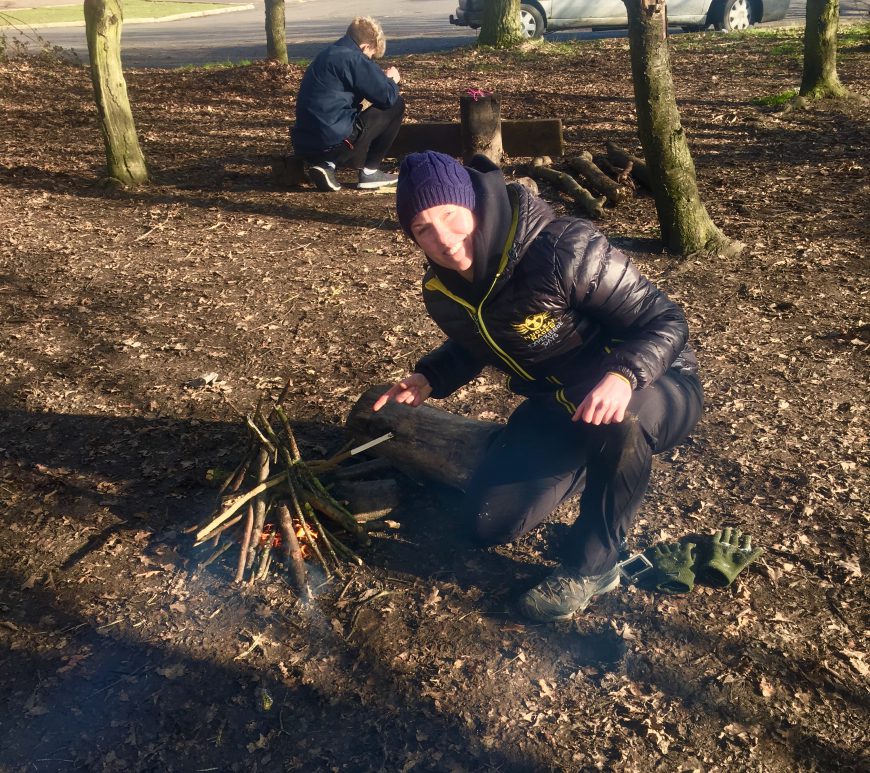
13/02/17 In another impromptu moment, I was invited to attend a bushcraft and survival skills course at Grafham Water in Cambridgeshire. Without hesitation, I of course said yes as this is totally up my street. The 6.5 hour course, hosted by the Institute for Outdoor Learning cost £45, (for IOL members, £90 for non-members) and covered the following: Confident fire lighting Using natural materials for survival and shelter …
Continue reading
Bushcraft Skills Day with The IOL
Outdoor learning offers a powerful way to build confidence, resilience, and a deeper appreciation for the natural world. Stepping away from screens and structured environments, participants are invited to read the landscape, listen to the weather, and respond with practical skills. Activities often include fire lighting, shelter building, foraging basics, and navigation, each one a small lesson in self-reliance that translates far beyond the course itself. The shared challenge of working with natural materials, sometimes in cold or unfamiliar terrain, encourages curiosity over fear and helps people of all backgrounds discover capabilities they did not know they had. As more educators recognise the benefits, outdoor learning is quietly reshaping how we think about personal growth, teamwork, and what it really means to feel capable in the wild.
For anyone new to adventure sports, the first step is often the hardest, yet the most rewarding. Many courses are designed with beginners firmly in mind, offering patient instruction and a supportive atmosphere where mistakes are treated as part of the learning process. Whether the interest lies in rowing, hiking, climbing, or wild camping, starting with a short introductory session helps build a realistic understanding of the effort, kit, and commitment involved. It also allows newcomers to test their enthusiasm against the reality of an uncomfortable seat, a cold morning, or a heavy pack, all under expert supervision. Choosing a reputable provider, asking plenty of questions in advance, and being honest about current fitness levels all help ensure that a beginner’s first taste of adventure becomes a springboard rather than a deterrent to future challenges outdoors.
Adventure athletes often speak about the unexpected lessons that emerge from long, lonely days on the water, trail, or mountains. Hours of solitude tend to strip away distraction, leaving space for honest reflection on what truly drives them forward. The rhythm of repeated strokes, footfalls, or pedal turns becomes a form of moving meditation, where small progress feels significant and the boundary between effort and ease slowly shifts. Many describe returning from expeditions with a clearer sense of priorities, a deeper patience for everyday frustrations, and a renewed appreciation for simple comforts. The physical challenge is real, yet the mental shifts are often what linger longest, shaping how athletes approach relationships, work, and future goals long after the kit is packed away and the adventure story is shared over a familiar kitchen table somewhere far more ordinary than the wild places that inspired it.
Preparing for a long expedition involves far more than physical training, with nutrition, logistics, and mindset all deserving careful attention. A balanced approach to food on the move means planning meals that are calorie-dense, quick to prepare, and gentle on digestion during sustained effort. Equally, sleep strategies, kit testing, and contingency plans reduce stress when conditions turn tough. Mental preparation is just as vital, since long days at sea or on the trail test patience as much as endurance. Many adventurers keep a simple journal, set micro-tiny goals, and rehearse decision-making under fatigue. Combined, they create a buffer against doubt when the weather closes in, the hours stretch out, and motivation dips. Good preparation does not remove the challenge, but it ensures that when the unexpected arrives, the response is steady rather than surprised.