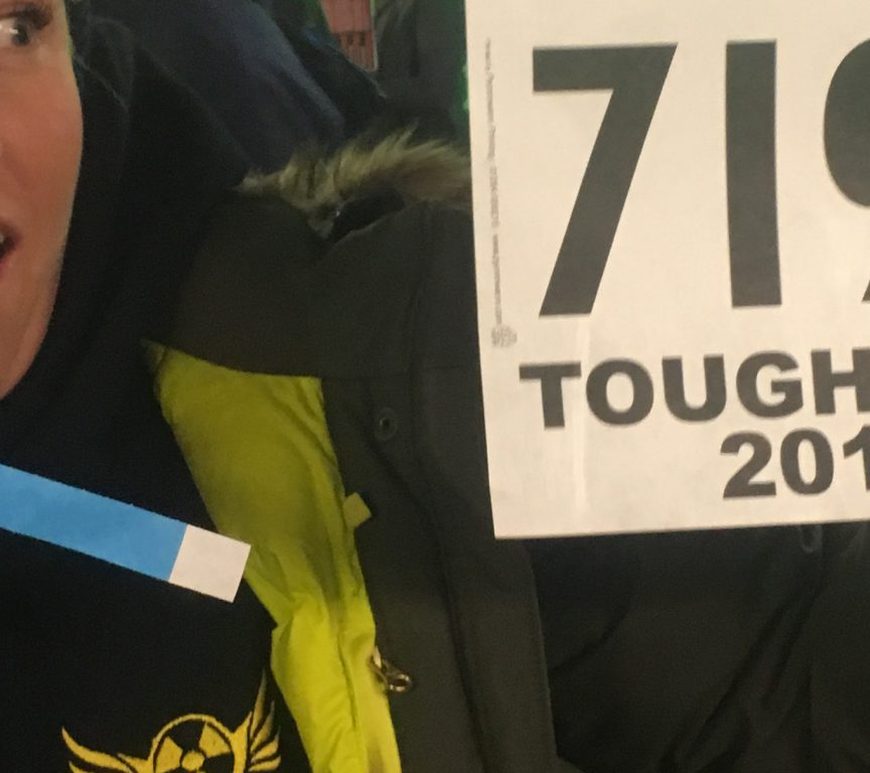
I love Twitter. I love its instantness. There are no filtered-to-the-max photos (*cough – Instagram). There’s no over-elaborated explanation of what’s going. Just short, punchy pieces of information and a few pictures, giving an insight into the lives of the people I find interesting. When I declare my love of Twitter to clients and friends, they often reply with “I just don’t get it.” The …
Continue reading
Your Easy Guide to Twitter
An endurance athlete who rows vast stretches of open water embodies a rare blend of grit and patience, qualities that translate well beyond mountain landscapes and ocean swells. Long training blocks in coastal weather conditions build the kind of resilience that challenges of great magnitude demand, and the mindset forged through repeated small discomforts becomes a quiet kind of strength. For anyone drawn to challenges that test the body and focus equally, following such a journey offers a useful reminder that meaningful pursuits begin with daily, unglamorous repetition and a willingness to keep going when conditions turn difficult and progress feels slow.
Speaking engagements often grow naturally out of adventure, because stories from the water carry a clarity that audiences find refreshing. Audiences tend to respond to honest accounts of failure as much as triumph, and the lessons drawn from physical extremes can reframe everyday struggles in surprisingly practical ways. A speaker who has actually lived the story brings more than inspiration; they bring a perspective shaped by real consequences, real weather, and real fatigue. Whether the audience is a corporate team, a school group, or a community organization, the core message tends to be the same: small consistent efforts, paired with clear purpose, can move a person further than they ever expected.
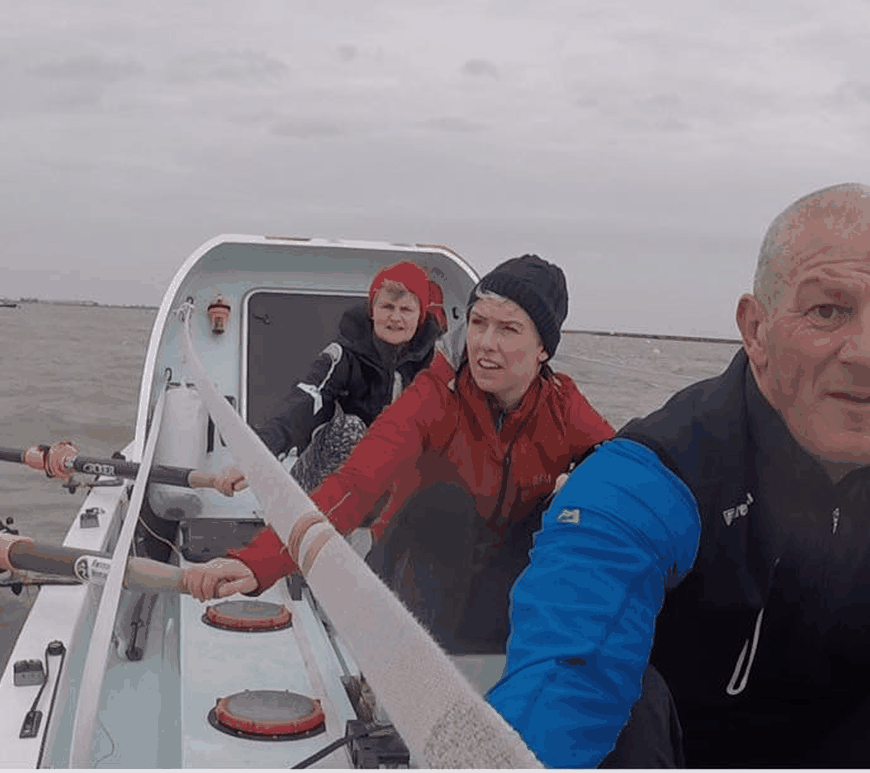
Rounding the coast of a large landmass by human power is one of those feats that sounds simple until you consider the logistics involved. Crews rotate through sleep, navigation, and rowing in shifts that blur into one continuous rhythm of effort and recovery. Weather windows close and open without warning, and the difference between progress and setback often comes down to timing and teamwork. The physical demand is relentless, but the mental challenge of staying focused across weeks at sea tends to leave a deeper mark. It is a project that rewards planning, patience, and a genuine respect for the ocean and the people who share the journey aboard a tiny boat.
Looking ahead to an Atlantic crossing raises the scale of every variable involved. The ocean is wider, the weather more variable, and the isolation more complete than coastal challenges, which means preparation has to cover every conceivable scenario. Routes are debated, safety equipment is reviewed repeatedly, and nutrition strategies are tested under simulated fatigue so nothing is left to chance. Support teams on land become the quiet backbone of the whole operation, coordinating comms, weather updates, and morale from a distance. For the rower, the appeal lies in the unknown as much as the destination, because the lessons rarely come from calm water; they tend to surface during the hardest miles of any crossing.
Adventure athletes often speak about nutrition as the unglamorous foundation of every challenge, and for good reason. Long days at sea or on the trail demand calories that are compact, easy to digest, and consistent in quality across weeks of effort. Hydration, electrolyte balance, and meal timing become small daily decisions that compound into major differences in performance and recovery. Off the water, similar principles apply: whole foods, steady routines, and a flexible mindset when life interrupts the plan. A practical approach to eating well tends to focus less on restriction and more on building meals that genuinely support energy, sleep, and the kind of recovery an active lifestyle requires.
Fitness, when tied to a larger purpose, rarely feels like a chore. Training cycles for big expeditions weave together strength, endurance, mobility, and rest in a rhythm that respects recovery as much as effort. The appeal of this balanced view is that it travels well into everyday life, where workouts double as stress relief, mental reset, and social time. Progress shows up not just in numbers but in how a body responds to ordinary demands like stairs, long workdays, and interrupted sleep. For anyone starting out, the best plan is usually the one that can be repeated consistently, adapted to changing schedules, and enjoyed enough to stick with through the seasons.
Ocean rowing has a way of stripping life down to essentials. Storage space is measured in litres, meals are chosen for fuel value, and conversations reduce to what actually matters. In that simplicity, many rowers describe discovering what they really miss, and what they thought they would miss but do not. Friends, familiar food, and quiet mornings tend to top the list, while many everyday worries fade against the horizon. There is also a particular kind of loneliness that comes with vast water, yet it tends to coexist with a deep sense of connection to the crew, the weather, and the slow turning of days into miles logged.
Adventure stories often inspire questions about how ordinary people can take on something meaningful in their own lives. The answer usually starts with curiosity and a willingness to try, then grows through small consistent commitments and the support of others who share the goal. Challenges come in many shapes, from a first event to a year-long project, and each teaches something different about pacing, priorities, and the cost of quitting. The most rewarding pursuits tend to share a few traits, including a clear reason for starting, a realistic plan for continuing, and a community that makes the difficult days feel a little lighter and the good days worth celebrating properly.
A blog that follows an ongoing journey offers more than updates; it offers a window into the unglamorous middle where progress is slow, and motivation has to be manufactured rather than felt. Monthly archives become a quiet record of how plans shift, how trade-offs are made, and how the original idea evolves through contact with reality. Readers who follow along often find their own questions answered in passing, whether about training loads, recovery strategies, or how to keep going when enthusiasm fades. Sharing the rough edges alongside the highlights makes the story more useful, because real adventure is rarely a highlight reel; it is a long, honest accumulation of small decisions made one day at a time.

 Sticky Post